
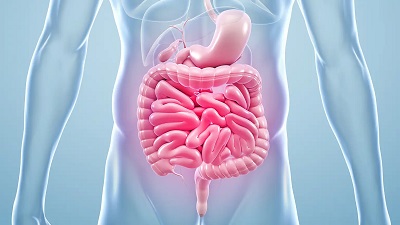
Be sure to replenish your gut with probiotics and prebiotics in order to enhance digestion and overall health. Drinking more water may also prove helpful; one 2022 study demonstrated that those who drank more had greater diversity of gut bacteria compared to those who consumed fewer liquids.
Maintaining gut health requires eating unprocessed foods, sleeping enough hours each night, and managing stress effectively—it’s best to obtain these nutrients through whole food sources rather than supplements.
What are probiotics?
Probiotics are live microorganisms that are proven to improve gut health when taken in adequate quantities. Probiotics aid digestion, boost immune function, and may have positive impacts on mood and mental well-being. Probiotics can be found naturally in cultured or fermented foods like yogurt, kimchi, sauerkraut, and miso; additionally, they are available as supplements.
Probiotic effectiveness depends on several factors, such as strain, dosage, and delivery method. Probiotics that target specific conditions have proven more successful. It’s also essential that probiotics survive stomach acidity to reach your small intestine and survive its acidic boot camp before renting space in your colon (large intestine) for temporary residence and competing against less beneficial or even potentially harmful bacteria while providing your cells with vitamins and short-chain fatty acids.
Probiotics are often used to stimulate bowel movements, though they should not be confused with stimulants like coffee or laxatives. Instead, probiotics work by improving gut microbiome health and encouraging regular bowel movements; they may also assist with diarrhea, constipation, and IBS symptoms as well as help fight off harmful bacteria through pathogen inhibition.
How do probiotics work?
Probiotics work by helping to maintain an array of beneficial bacteria in your gut. You can take them either as dietary supplements or through fermented food such as yogurt, kefir, and sauerkraut; when selecting one, it should have undergone scientific testing for specific benefits such as relieving diarrhea or constipation symptoms.
Probiotics typically take root once they make it past the stomach and enter either the small intestine or large intestine, depending on where they land, where they will reside temporarily and quickly take up residence, and where they quickly grow, outcompeting pathogens for food sources and space while producing certain acids that suppress pathogens while providing an environment conducive to other beneficial bacteria strains.
Probiotics will let you know they’re working by increasing the size and frequency of your bowel movements, relieving digestive discomfort like gas or bloating, or alleviating digestive distress altogether.
It is also crucial that any probiotic you choose be supported by science and safe to take. Packaging the probiotic to survive the harsh acidity of the stomach is key; an ideal choice would be heat-treated or enteric-coated capsules, as these will increase how many live bacteria reach your intestines alive.
Are probiotics safe?
Probiotics have been clinically researched or proven effective at alleviating conditions like IBS, vaginal yeast infections, and Clostridium difficile diarrhea. Furthermore, probiotics aid digestion, immune function, and absorption of nutrients deep into cells for improved health.
The key to selecting an effective probiotic is finding one with scientific proof. Look for products with at least 100 million-1 trillion colony-forming units per day on their Supplement Facts label to achieve desired benefits.
Fermented foods can also provide probiotics. Yogurt is one example of such fermented food; its production involves incorporating bacteria such as Lactobacillus bulgaricus and Streptococcus thermophilus into milk. However, to qualify as probiotic food, it must contain additional types of bacteria from Lactobacillus caseii, Lactobacillus reuteri, and Bifidobacterium genera, among others, in its ingredients mix—look out for words such as “live,” “active,” “raw,” and “unpasteurized” on its packaging to verify its potency!
Other foods rich in probiotics that are helpful to digestion include miso, which is made from fermented soybean paste; natto (fermented soy food popular in Japan); and sauerkraut—an easy homemade source of probiotics. If taking probiotic pills, opt for enteric-coated capsules, which allow bacteria to survive stomach acidity.
Are probiotics dangerous?
Probiotics are beneficial bacteria that aid the digestive and immune systems. You can find probiotics in fermented foods like yogurt, kefir, kimchi, tempeh, miso, sauerkraut, and kombucha; they’re also available as dietary supplements. While most probiotic strains are safe and natural bacteria species exist within our gut ecosystems – one study showed a high percentage of Clostridium genera bacteria found in commercial products, which could potentially cause infections through opportunistic infections.
Once they reach the gut, probiotics must survive stomach acid to thrive and begin combatting harmful bacteria while using its waste products as food for your natural good gut bacteria—something which may temporarily result in diarrhea.
Before beginning to take any new supplements, like probiotics, it’s a good idea to speak to your healthcare provider first. They can help determine if it is right for you and guide your purchase of specific brands/frequency. Diet and lifestyle habits also play an integral part in gut health maintenance; discover more by learning about what foods promote healthy gut microbiomes, and then try these delicious gut-friendly recipes as an initial starting point!