
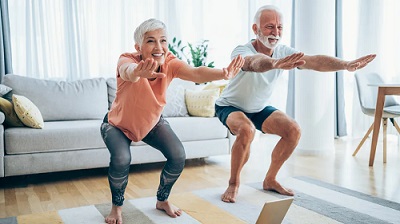
Exercise is essential to overall fitness, and seniors can realize additional health advantages from performing low-impact workouts, which help prevent muscle atrophy, lower stress levels, and bring down blood pressure levels.
Before beginning any exercise program, it’s essential to consult your physician first in order to make sure the chosen workout will be safe for your specific body type and then select activities you enjoy that will keep you engaged and keep motivating yourself to stick with them.
Strength Training
Exercise is important for everyone, but seniors need it even more so to maintain strength and stave off painful medical conditions like arthritis or osteoporosis. Luckily, there are many fun yet effective low-impact workouts designed specifically for seniors that will improve balance and stability (reducing fall risk) while simultaneously increasing mental well-being.
Endurance workouts like brisk walking, swimming, and cycling are great ways to boost cardiovascular health, lower blood pressure and cholesterol levels, improve circulation, and enhance well-being. They’re easy to do by nearly everyone of any age or fitness level—ideal for improving overall wellness!
Make it part of your routine, track your progress, add variety to your workout, and consider working out with a friend to keep yourself motivated. Always consult your physician prior to embarking upon any new exercise regimen, and listen to what your body tells you!
Yoga
Yoga can be an enjoyable and therapeutic workout for seniors. Yoga helps strengthen body core, balance, flexibility, and muscle endurance. Furthermore, it provides cardiorespiratory fitness benefits and strengthens bones to prevent osteoporosis or brittleness in later years.
Running can help alleviate anxiety and stress, improve mood, and enhance sleep. Furthermore, running is an engaging social activity that promotes community involvement while building friendships.
Maintaining a healthy lifestyle is vital at any age, but as we get older, it can become increasingly challenging to keep up with daily demands. Low-impact exercises can be particularly helpful for keeping loved ones active, flexible, and strong into later years. To learn more about their benefits, speak to your physician for advice, recommendations, or encouragement in helping to get you started on this new path to fitness.
Tai Chi
Tai chi can provide a host of health benefits. Commonly referred to as “moving meditation,” it encompasses bodyweight movements, focused breathing techniques, and movement patterns that promote relaxation and stability.
Tai chi may help prevent falls among senior citizens, a serious threat for these populations. A review of ten studies showed that those practicing the ancient Chinese mind-body practice had lower fall rates compared to those who didn’t participate.
One of the hallmarks of tai chi is its adaptability; it can accommodate people of different ages and abilities. One Yang-style movement called the “Grasp Sparrow’s Tail Movement,” for instance, involves standing with feet shoulder-width apart and arms relaxed at your sides while shifting your weight onto one foot while sweeping both your hands upward and downward as though holding a ball between both palms.
Walking
Walking is an accessible and comfortable exercise that can easily fit into everyday routines, providing benefits like building stamina, relieving pain, strengthening muscles, and overall improved health.
Studies demonstrate the many health benefits of walking. From lower blood pressure and improved cardiovascular strength to enhanced immunity and balance improvement. Furthermore, walking increases oxygen flow as well as increasing levels of norepinephrine and epinephrine, which increase energy.
Before embarking on any fitness regimen, it’s essential that seniors with existing health conditions consult their physician first. Once medical clearance has been granted, starting slowly is key and gradually building up to 30 minutes of moderate-intensity exercise each day—find something enjoyable so you’re more likely to stick with it over time.
Swimming
Swimming is an aerobic exercise that elevates heart rate and can improve cardiovascular health, making it a fantastic way to stay active and enjoy nature while staying physically fit.
Swimming can strengthen muscles and ease joint pain due to arthritis or other conditions, improve balance and flexibility, and even help lower the risk of falls. Beyond its physical benefits, swimming also offers emotional advantages like lifting mood and socialization within group settings.
To make swimming safe and accessible for seniors, look for a pool with water aerobics classes or group swim sessions. A flexible tube-shaped flotation device such as a noodle may be helpful in supporting and stabilizing the body—helping avoid accidental falls while engaging with others! This may also provide an enjoyable social opportunity.